



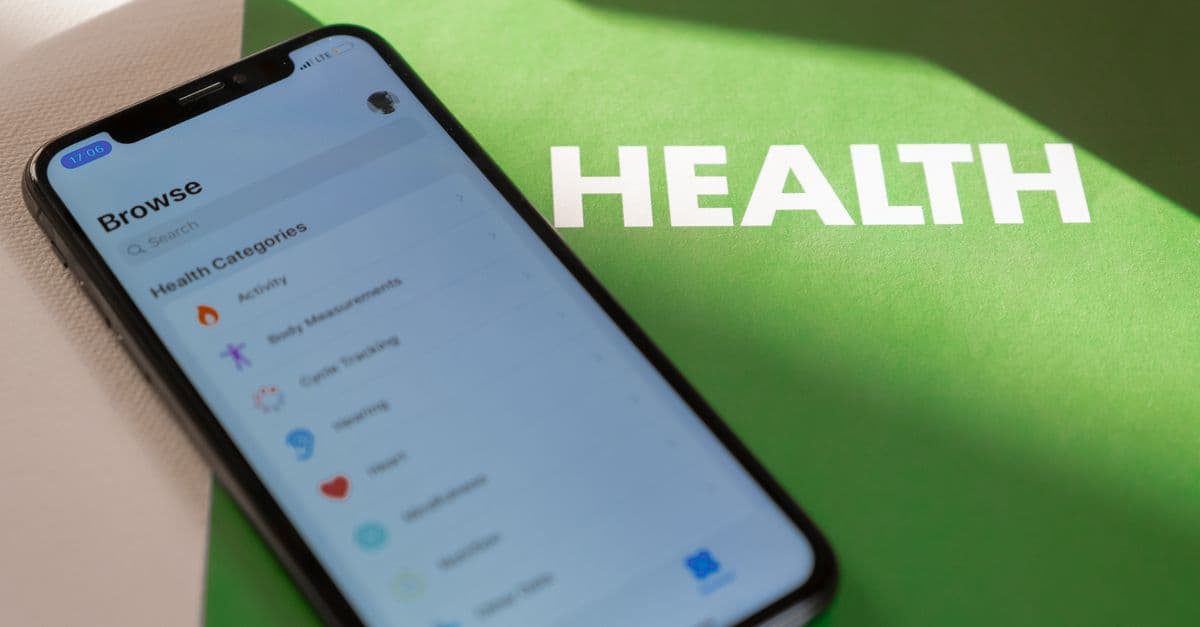
In an era where technology is constantly reshaping the landscape of healthcare, the convergence of Artificial Intelligence (AI), mobile app development, and mental health has ushered in a new wave of innovative solutions for enhancing well-being. The marriage of AI-powered mobile apps with mental health interventions is not just a trend; it's a transformative force that holds the promise of revolutionizing how we approach mental health care. With healthcare app development and custom app development at the forefront, let's delve into the profound impact of this synergy on our mental well-being.
The Rising Tide of Mental Health Challenges
Before we dive into the transformative potential of AI-integrated healthcare mobile apps, it's essential to understand the context within which these innovations are emerging. Mental health challenges have reached unprecedented levels in recent years. According to the World Health Organization (WHO), depression is now the leading cause of disability worldwide, affecting more than 280 million people. Moreover, the COVID-19 pandemic has only exacerbated these challenges, with feelings of isolation, anxiety, and stress becoming more prevalent than ever before.
AI's Entry into the Mental Health Landscape
Enter Artificial Intelligence - the technology that is redefining healthcare paradigms. AI's ability to analyze vast datasets and derive meaningful insights has opened doors to personalized interventions and predictive analytics. In the realm of mental health, AI-powered tools are proving to be invaluable.
Imagine a scenario where AI-driven algorithms analyze a user's patterns of communication, voice tone, and even facial expressions to gauge their emotional state. This is not science fiction; it's a reality being explored by researchers and developers alike. These insights can be channeled into mobile apps that offer real-time support and coping strategies.
Custom app development is enabling the creation of applications tailored to the unique needs of individuals. For instance, an AI-integrated app can provide mindfulness exercises for individuals dealing with anxiety, or offer mood-tracking functionalities to monitor emotional fluctuations over time.
The Mobile App Revolution
Mobile apps have become an integral part of our lives, serving as powerful tools for communication, productivity, and entertainment. Their role in healthcare has been steadily growing, and mental health is no exception. A well-crafted mobile app has the potential to make interventions accessible, engaging, and user-friendly.
According to a report by Shortcut, the global mobile app revenue is projected to reach $935.2 billion by 2023. This staggering figure underscores the widespread adoption and reliance on mobile applications across industries.
Healthcare app development is a driving force behind this growth. Mental health apps are on the rise, offering features such as guided meditation, cognitive behavioral therapy exercises, and virtual support groups. These apps empower individuals to take charge of their mental well-being from the comfort of their smartphones.
Navigating Privacy and Ethics in AI-Driven Mental Health Apps
As the world of mental health care embraces the integration of AI and mobile apps, it's essential to tread carefully through the complex landscape of privacy and ethics. While these technologies hold incredible potential to enhance well-being, they also raise valid concerns about the security of user data and the ethical implications of AI (bots) integrated Apps. Below are some snippets extracted from PsychReg’s blog : Balancing Advancements with Ethics - Integrating Bots for Patient-Centric Care.
Protecting Sensitive Data
One of the foremost concerns in the realm of AI-driven mental health apps is the protection of user data. These apps often deal with highly sensitive information, including emotional states, coping mechanisms, and even personal narratives. Ensuring the security of this data is paramount to building trust and encouraging user engagement.
Informed Consent and Transparency:
Ethical considerations extend beyond data security to issues of informed consent and transparency. Users must be well-informed about the types of data being collected, the purposes for which it will be used, and any potential risks involved. Providing clear, jargon-free explanations of these aspects is crucial to obtaining informed consent.
Balancing Automation and the Human Touch:
AI-driven mental health apps offer the advantage of scalability, allowing for widespread access to interventions. However, striking a balance between automation and the human touch is an ethical challenge that developers must navigate.
While AI algorithms can analyze data and provide suggestions, the human element remains essential in mental health care. The warmth of human interaction, empathy, and understanding cannot be fully replicated by machines. Therefore, developers must design these apps to complement, rather than replace, professional human intervention.
Guarding Against Bias and Discrimination:
AI algorithms are only as unbiased as the data they are trained on. If the training data used to develop these apps is skewed or contains inherent biases, it can lead to discriminatory outcomes. This is particularly concerning in mental health care, where sensitive issues such as race, gender, and socioeconomic status intersect.
Realizing the Potential: Case Studies
Let's take a closer look at some real-world examples that exemplify the transformative impact of AI and mobile apps in mental health care:
[Woebot:](https://woebothealth.com/)
Developed by researchers at Stanford University, Woebot is an AI chatbot designed to provide cognitive behavioral therapy to users. It engages users in conversations, offers coping strategies, and monitors their mood over time.
[Wysa:](https://www.wysa.com/)
Wysa is an AI-powered mental health chatbot designed to provide emotional support and coping strategies. This app engages users in conversations, helping them manage stress, anxiety, and depression. Through machine learning algorithms, Wysa tailors its responses based on user input, offering personalized guidance and techniques.
[Headspace:](https://www.headspace.com/)
While not exclusively AI-driven, Headspace combines mindfulness techniques with a user-friendly mobile app interface. It offers guided meditation sessions and stress-relief exercises, catering to individuals seeking a holistic approach to mental wellness.
Future Prospects and Conclusion
As AI continues to advance and mobile app development becomes more sophisticated, the possibilities for improving mental health care are boundless. Predictive analytics, early intervention, and personalized treatment plans are just the tip of the iceberg.
The synergy between AI, mobile apps, and mental health care holds immense promise for creating a more accessible, engaging, and effective system of support. Healthcare app development and custom app development will play a pivotal role in shaping the future of mental well-being.
In a world where mental health challenges are increasingly prevalent, harnessing the potential of technology is not just an option; it's a necessity. The convergence of AI and mobile apps has the power to transform lives, one download at a time.
Remember, your mental well-being matters, and now, more than ever, there's an app for that.