



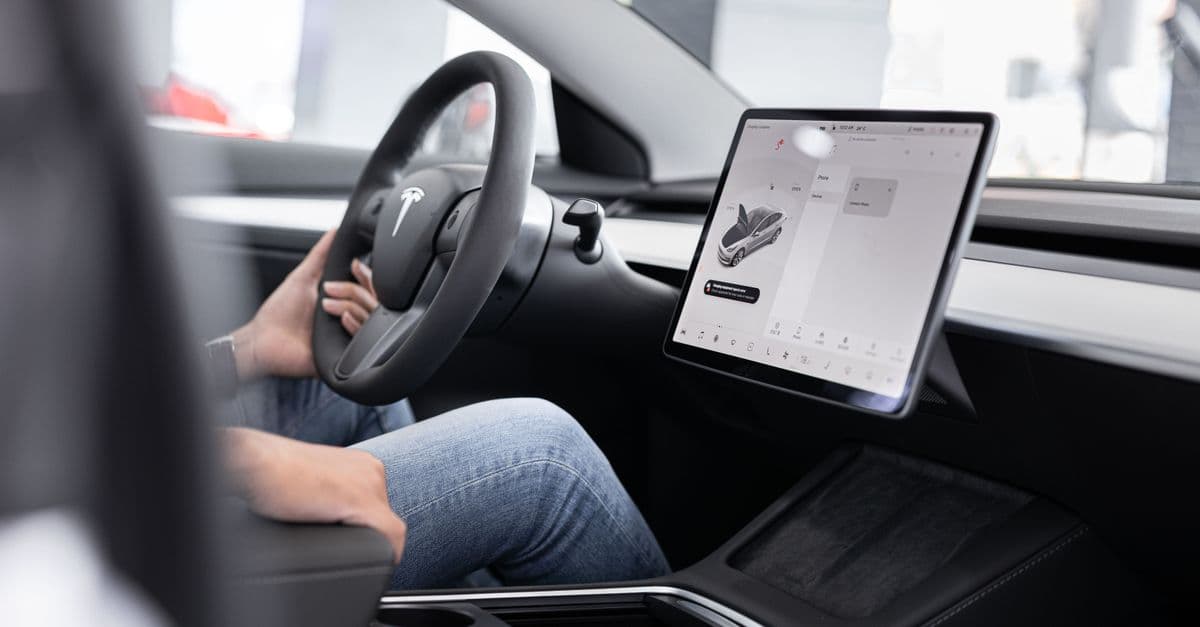
In the world of Electric Vehicles (EVs), technological innovation is a driving force that continually reshapes the landscape. One such remarkable transformation is happening right in front of us - the shift from touch-based interfaces to voice interaction on EV car dashboards. This transition is not just about convenience; it's about safety, accessibility, and a seamless user experience. In this article, we'll delve into the evolution of EV Car Dashboard User Experience (UX) and explore how the integration of voice interaction is revolutionizing the way we interact with our electric vehicles.
For more details check also A Comparative Study Of Touch Vs. Voice Interaction In UX For Electric Vehicle Dashboards
The Evolution of EV Car Dashboard UX
Over the past decade, EVs have evolved from being niche alternatives to mainstream transportation options. This evolution has brought about advancements not only in powertrains and battery technology but also in the way we interact with our vehicles. Initially, touchscreens emerged as the primary mode of interaction in EV car dashboards. They offered a sleek and futuristic look, consolidating various controls into a single interface.
However, despite their popularity, touchscreens posed certain challenges. Interacting with touchscreens while driving demanded more attention from drivers, diverting their focus from the road ahead. A study conducted by The Royal Society for the Prevention of Accidents (RoSPA), from the total road accidents in 2019 in Britain, 3% were attributed towards the distractions caused due to usage of touch screen infotainment systems. This increased the risk of fatal accidents significantly.
The Case for Voice Interaction
Recognizing the need for safer and more user-friendly interfaces, EV manufacturers are turning to voice interaction as a solution. Voice assistants like Amazon's Alexa, Apple's Siri, and Google Assistant have already become integral parts of our daily lives, and their integration into car dashboards is a logical progression.
Safety First
Safety is paramount when it comes to automotive design, and voice interaction addresses this concern head-on. By enabling drivers to perform tasks and access information without taking their eyes off the road, voice interfaces contribute to a safer driving experience. A study by the American Automotive Association (AAA) revealed that using voice commands to interact with infotainment systems resulted in significantly shorter task completion times compared to touchscreens. This translates to reduced distraction and enhanced road safety.
Accessibility and Inclusivity
Voice interaction goes beyond safety - it enhances accessibility and inclusivity. Touchscreens might present challenges for individuals with disabilities, such as limited dexterity or visual impairments. Voice interfaces offer a more equitable way for all users to engage with their vehicles. EVs are lauded for their potential to reduce environmental impact; it's only fitting that they also strive to be inclusive and accessible to all.
The Role of EV CSMS and App Development
The transition to voice interaction doesn't occur in isolation; it's a holistic process involving various components of the EV ecosystem. One key player in this transformation is the EV Charging Station Management System (CSMS). CSMS is the technology that allows EV owners to locate, access, and manage charging stations. Integrating voice commands into CSMS applications can simplify the charging experience further.
For instance, imagine a scenario where an EV owner simply asks their vehicle to find the nearest available charging station. The CSMS, with voice integration, could then use real-time data to locate and guide the driver to the nearest station. This not only streamlines the process but also reduces the cognitive load on the driver, contributing to a more relaxed and enjoyable journey.
EV app development also plays a crucial role in this shift. Many EV manufacturers offer dedicated apps that provide users with insights into battery status, range estimation, and charging history. Integrating voice interaction into these apps expands their usability. Users can inquire about their battery status, request charging progress updates, or even initiate charging sessions - all through simple voice commands.
Want to explore about the leading EV CPMS software? **Explore Vidhyutam **
Embracing the Change: Challenges and Opportunities
As exciting as the transition to voice interaction is, it's not without its challenges. One notable concern is the accuracy and reliability of voice recognition systems, especially in noisy environments or with varying accents. Manufacturers must invest in robust natural language processing (NLP) algorithms to ensure seamless communication between drivers and their vehicles.
Additionally, privacy and data security are critical considerations. Voice interactions involve processing personal and sensitive information. Manufacturers must implement stringent security measures to safeguard user data and prevent unauthorized access.
Despite these challenges, the shift to voice interaction opens up a world of opportunities for innovation. EV manufacturers can create unique, brand-specific voice assistants that align with their identity and values. Moreover, as ArtificiaI Intelligence and NLP technologies continue to advance, voice interactions can become more sophisticated, intuitive, and personalized.
Conclusion
The transition from touch-based interfaces to voice interaction is a significant step towards enhancing the user experience of EV car dashboards. The incorporation of voice assistants not only improves safety by reducing driver distraction but also promotes accessibility and inclusivity for all users. The role of EV CSMS and app development in this transformation cannot be understated - these technologies play a pivotal role in making the shift seamless and intuitive.
As we move forward, it's crucial for EV manufacturers, software developers, and the automotive industry as a whole to collaborate on refining and advancing voice interaction technology. By embracing this change, we're not just revolutionizing the way we interact with our EVs; we're shaping the future of mobility itself.