



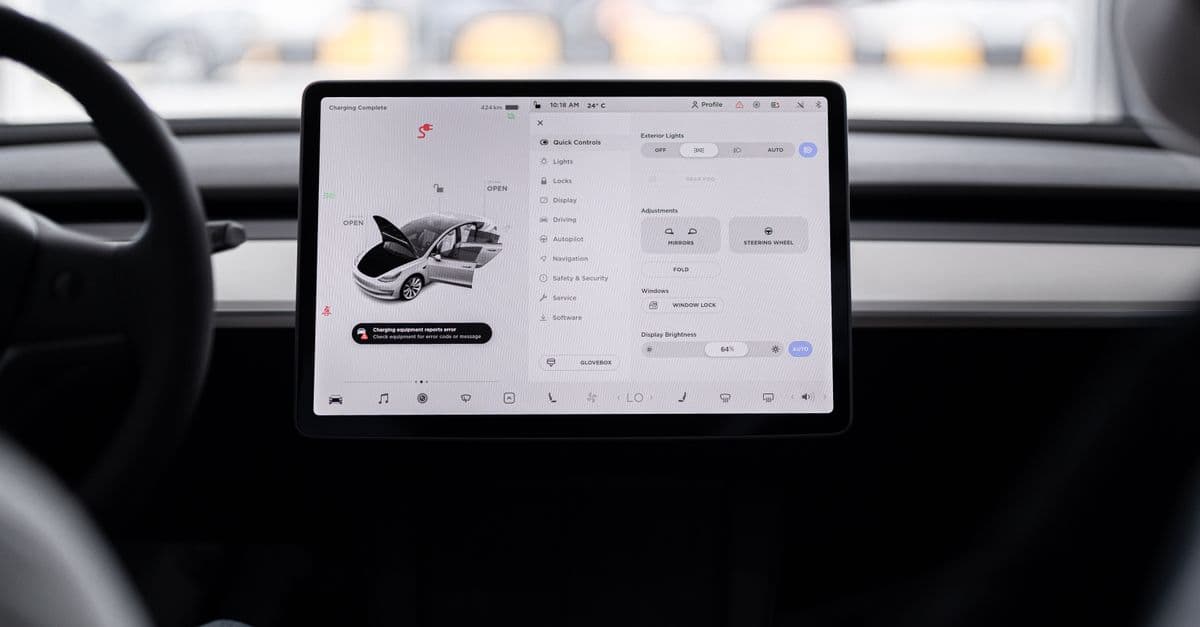
In the rapidly changing landscape of electric vehicles (EVs), the role of user experience (UX) has grown exponentially, becoming a pivotal factor that directly influences the widespread adoption and ultimate success of these innovative eco-friendly vehicles. As EVs gain prominence on our roads, the design of their dashboards has emerged as a critical juncture where the choice between two fundamental interaction methods - touch and voice - takes center stage. In this comprehensive examination, we embark on a journey to delve deep into the intricate world of UX design for electric vehicle dashboards. By navigating this terrain, we hope to uncover the essence of creating an engaging and intuitive user experience for electric vehicle drivers and passengers alike.
Touch Interaction in EV Dashboards:
1) User Familiarity:
Many drivers are already accustomed to using touchscreens in vehicles, as they have become a standard feature in modern cars. This familiarity can make the transition to electric vehicles (EVs) smoother and more intuitive, as users are comfortable with the interface.
2) Customization and Control:
Touchscreens offer a high level of customization. EV manufacturers can provide users with the ability to tailor their dashboard layouts, choose widgets, and install applications according to their preferences. This control empowers users to create a personalized driving experience.
3) Feedback and Haptic Technology:
Touchscreens can incorporate haptic feedback technology. This means that when users interact with the screen, they receive tactile responses that mimic physical buttons. These tactile cues help confirm commands without requiring users to divert their attention to visually confirm selections, contributing to safer driving.
4) Charging Station Management System (CSMS):
Touch interaction can be seamlessly integrated with Charging Station Management Systems (CSMS) within the EV dashboard. This integration enables users to effortlessly locate charging stations, plan routes, and initiate charging sessions, all through the touch interface. This ease of use is crucial for enhancing the overall usability and convenience of electric vehicles.
Voice Interaction in EV Dashboards:
1) Hands-Free Operation:
Voice interaction stands out for its hands-free nature. It allows drivers to issue commands and access information without needing to physically interact with the dashboard's touchscreen. This hands-free operation is especially valuable for reducing driver distractions and enhancing safety during the journey.
2) Reduced Cognitive Load:
Voice interaction minimizes the cognitive load on drivers. It enables them to perform tasks and access information without taking their hands off the steering wheel or their eyes off the road. This reduction in cognitive load contributes to a safer and more comfortable driving experience.
3) Natural Language Processing (NLP)
Advances in Natural Language Processing (NLP) have greatly improved voice assistants' ability to understand and respond to complex, natural language commands. This technology provides a seamless and conversational interaction between the driver and the vehicle's systems, enhancing user satisfaction and ease of use.
4) Charging Station Management:
Voice interaction can be seamlessly integrated with Charging Station Management Systems (CSMS) in EV dashboards. Drivers can use voice commands to locate nearby charging stations, plan charging stops during their journey, and initiate charging sessions. This feature is especially valuable while driving, as it reduces distractions and simplifies the process of finding and using charging infrastructure.
Comparative Analysis: Touch vs. Voice Interaction:
1) Safety:
Safety is a top priority in EV design. While touchscreens offer extensive control and customization, they can also be distracting and potentially unsafe, as users must take their eyes off the road to interact with the touchscreen. In contrast, voice interaction reduces distractions, aligning better with safety regulations and promoting safer driving practices.
2) User Preference:
User preference plays a significant role in UX design. Some users may prefer touchscreens due to their familiarity, while others may favor voice interaction for its hands-free operation. Offering both options allows automakers to cater to a broader audience and meet varying user needs and preferences.
3) Integration with CSMS:
Both touch and voice interaction methods can effectively integrate Charging Station Management Systems (CSMS) into EV dashboards. This integration ensures that users can easily locate charging stations, plan their routes, and initiate charging sessions, regardless of their chosen interaction method.
4) Future Trends:
It's crucial to consider future technology trends and evolving user behaviors. As speech recognition technology continues to improve and gain user acceptance, voice interaction may become more prevalent in EVs. Staying adaptable to these trends can enhance the long-term usability and appeal of electric vehicles.
Conclusion:
In conclusion, the choice between touch and voice interaction in EV dashboard design is not a one-size-fits-all decision. Each method has its unique advantages and challenges. To provide the best user experience, manufacturers should consider a hybrid approach that allows drivers to choose their preferred interaction method. This approach can cater to the varying needs and preferences of EV users, ensuring a seamless and safe driving experience.
As the electric vehicle industry continues to evolve, the integration of Charging Station Management Systems (CSMS) remains vital. Regardless of the chosen interaction method, CSMS integration should be a top priority, as it directly impacts the usability and convenience of EVs.
By staying attentive to user feedback, safety regulations, and technological advancements, the electric vehicle industry can continue to enhance the UX of EV dashboards and drive the adoption of eco-friendly transportation solutions.