



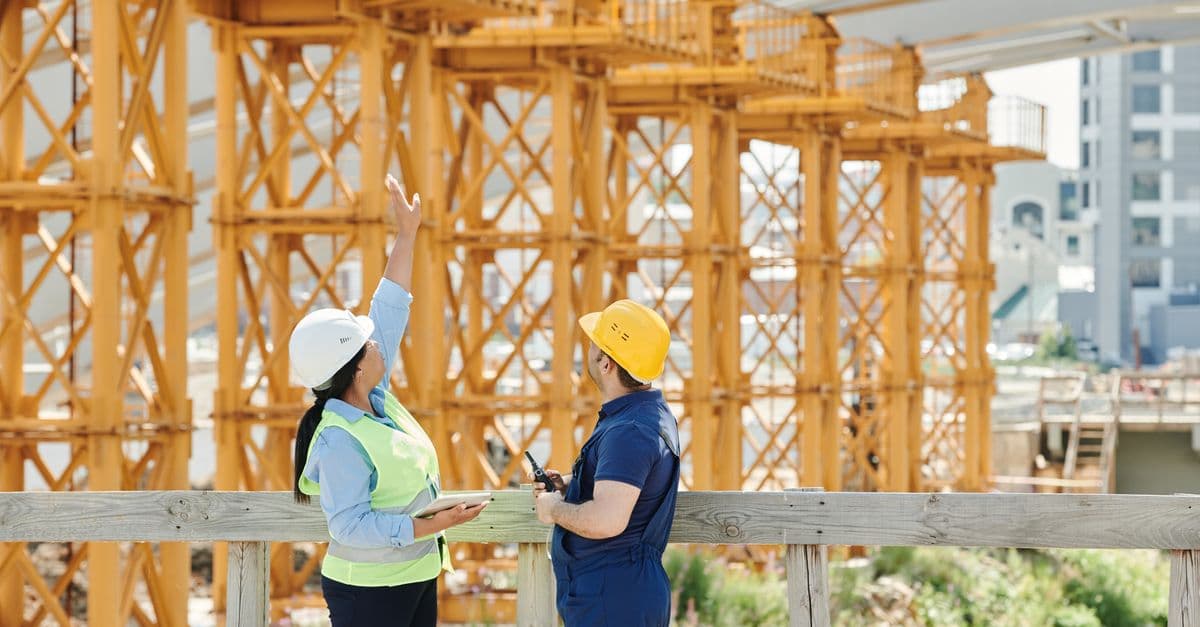
In the world of construction, where every decision and action can have profound consequences, the quest for safety and efficiency is an ongoing challenge. It's a field where precision and proactive measures can mean the difference between life and death, as well as the success or failure of a project. Fortunately, the construction industry is embracing an invaluable ally in this quest: risk assessment solutions. These digital tools are transforming the construction industry by not only reducing fatalities and injuries but also optimizing efficiency in the construction process. In this blog, we'll explore how risk assessment solutions are revolutionizing safety and productivity on construction sites, making them safer and more efficient than ever before.
1) Identification of Hazards:
Identification of hazards is a critical component of workplace safety, and the use of risk assessment and reporting technical solutions has revolutionized this aspect of safety management. These tools enable organizations to systematically and comprehensively identify potential hazards within the workplace environment.
These solutions typically offer a structured framework for conducting hazard assessments, making it easier for safety professionals and teams to methodically evaluate the work environment. They facilitate the collection and analysis of data related to workplace activities, which can range from identifying faulty machinery to recognizing unsafe work practices. The systematic identification of hazards through risk assessment and reporting solutions empowers organizations to take a proactive stance in safeguarding their employees and workplace.
2) Data-Driven decision making:
Data-driven decision-making is a pivotal aspect of modern risk management within various industries, and it plays a critical role in enhancing workplace safety, particularly through risk reporting solutions. These digital tools generate, compile, and analyze a wealth of safety-related data, empowering safety managers and decision-makers to make well-informed choices that prioritize safety and allocate resources effectively.
Risk reporting solutions provide an extensive array of data and insights, encompassing incident reports, near-miss occurrences, safety compliance statistics, and more. Safety managers can access a comprehensive overview of the organization's safety performance, allowing them to identify trends and patterns in safety-related incidents. This data offers valuable insights into the specific areas, processes, or tasks that pose the greatest risks to employees, machinery, or assets.
3) Mitigation Planning:
Mitigation planning is a pivotal component of risk management, and risk assessment tools are instrumental in helping organizations systematically address and reduce potential hazards and risks. This proactive process involves identifying, assessing, and taking measures to minimize or eliminate risks, ensuring the safety of employees and the protection of assets.
Risk assessment tools provide a structured framework for organizations to plan and implement risk mitigation strategies which includes several key components such as:
- Redesigning existing process.
- Improving and redefining the safety protocols.
- Replacing the old and wornout equipments with better and new equipments.
- Training and education of the risks to the labour force.
4) Predictive Analysis:
Predictive analytics, a powerful component of advanced risk assessment tools, is revolutionizing the way organizations manage workplace safety. By utilizing historical data, statistical algorithms, and machine learning, these tools have the capacity to anticipate potential hazards and safety risks, enabling a proactive and preventive approach to accident and incident mitigation.
Predictive analytics tools comb through vast datasets, which may include historical accident reports, near-miss incidents, equipment performance records, and environmental conditions. By analyzing this data, the tools can identify patterns, correlations, and trends that may predict future safety risks. They can identify and flag specific risk factors or conditions that have historically led to accidents or safety incidents. This allows organizations to intervene before these risks escalate and cause harm.
5) Real Time Monitoring:
Real-time monitoring is a cutting-edge feature in risk assessment tools, and it's transforming workplace safety by providing immediate insights and proactive responses to potential safety issues. These tools leverage sensors, IoT devices, and other data sources to continuously track and analyze conditions in work environments, machinery, and equipment, allowing organizations to detect and address safety concerns as they unfold in real-time.
Real-time monitoring tools offer instantaneous detection of safety-related incidents and conditions, such as sudden temperature changes, equipment malfunctions, or unsafe behaviors by employees. When a potential hazard is detected, these tools trigger instant alerts and notifications to relevant personnel, such as safety managers, supervisors, or on-site workers. This enables rapid response to mitigate risks.
6) Documentation and Reporting:
Documentation and reporting are fundamental aspects of effective workplace safety management, and digital solutions have revolutionized this process. These tools streamline the recording and analysis of safety incidents, near-misses, and their causes, providing organizations with a comprehensive and organized database of safety-related information. This documentation is invaluable for post-incident analysis, enabling organizations to learn from their mistakes, improve safety measures, and ultimately prevent future incidents.
7) Increased Awareness:
The importance of fostering a culture of safety in the workplace cannot be overstated, and risk assessment tools and safety management solutions play a pivotal role in this endeavor. They significantly contribute to increased awareness among employees regarding potential risks and safety measures. This heightened awareness is instrumental in preventing workplace accidents, promoting a safer work environment, and ultimately reducing casualties and fatalities.
Digital platforms can offer training modules and resources that educate employees about safety best practices. Well-informed employees are more likely to recognize risks and adhere to safety protocols.
Conclusion:
In conclusion, the world of construction is undergoing a significant transformation with the adoption of construction project management solutions focused on risk assessment. These digital tools are addressing the critical challenges of safety and efficiency that the industry faces. They are not just tools; they are invaluable allies in the quest for safer and more productive construction sites. By embracing the digital tools, the construction industry is taking a proactive approach to create safer and more productive construction sites, ultimately ensuring the well-being of its workforce and the success of projects. Are you looking for a risk assessment solution for your company? Connect with Nimblechapps - a top custom app development agency with plethora of case studies on how it assisted construction companies transform digitally.