


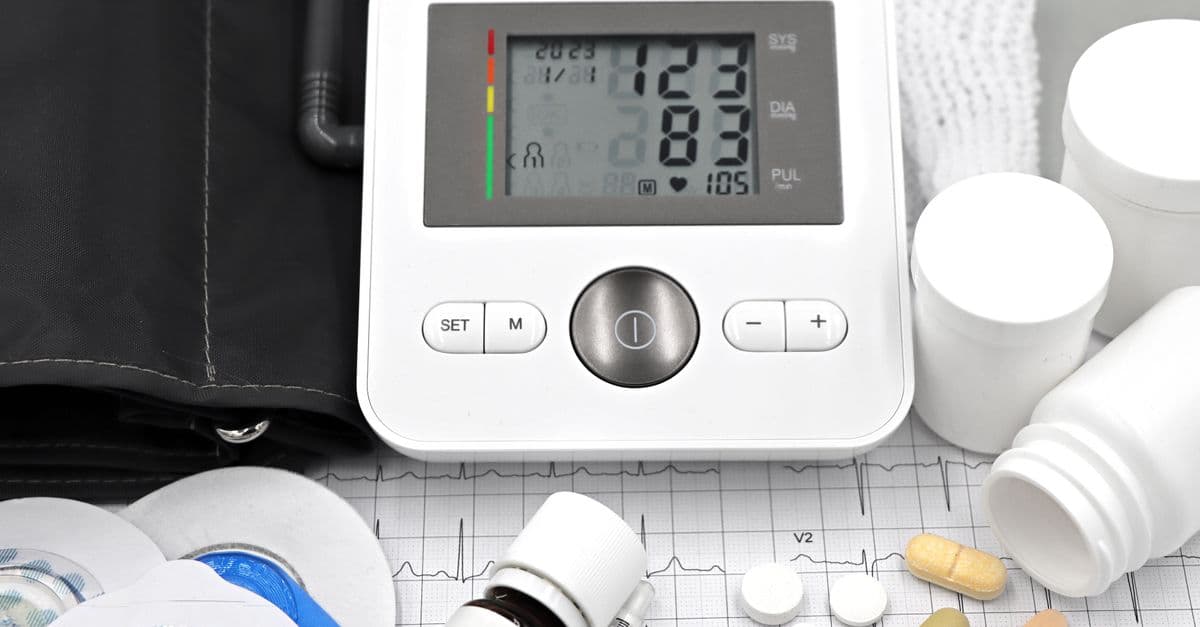
In today's fast-paced world, keeping tabs on our health has never been more crucial. For those with cardiac concerns, monitoring heart health is of paramount importance. Fortunately, advancements in technology have paved the way for innovative solutions like wearable cardiac monitoring devices. These devices not only offer convenience but also real-time insights into your heart's condition. In this blog, we'll delve into the world of wearable cardiac monitoring devices, explore their types, and discuss some notable examples. Additionally, we'll touch upon the significance of healthcare app development in the MedTech industry.
Understanding Wearable Cardiac Monitoring Devices
Wearable cardiac monitoring devices are cutting-edge gadgets designed to provide continuous monitoring of your heart's activities. They have gained significant attention in recent years, thanks to their potential to revolutionize the healthcare industry. These devices are compact, non-invasive, and can be comfortably worn throughout the day, allowing individuals to maintain a proactive approach to their cardiac health.
Types of Wearable Cardiac Monitoring Devices
There are several types of wearable cardiac monitoring devices, each tailored to specific needs and preferences. Let's take a closer look at some of the most common categories:
1) Holter Monitors:
Holter monitors are compact, portable devices that are typically worn for 24 to 48 hours. They continuously record your heart's electrical activity and can detect irregularities like arrhythmias. The recorded data is then analyzed by healthcare professionals to diagnose and monitor cardiac conditions.
2) Event Monitors:
Event monitors are similar to Holter monitors but are worn for longer periods, ranging from a few days to several weeks. Patients trigger the device when they experience symptoms like palpitations or chest pain. This allows for the recording of cardiac events when they occur, aiding in diagnosis.
3) Mobile Cardiac Telemetry (MCT) Devices:
MCT devices are more advanced and provide continuous monitoring for extended periods, often up to a month or more. They automatically transmit data to a remote monitoring center, ensuring real-time analysis by healthcare experts. MCT devices are ideal for detecting infrequent or intermittent cardiac events.
4) Smartwatches and Fitness Trackers:
Consumer-grade smartwatches and fitness trackers have also entered the realm of cardiac monitoring. Brands like Apple, Fitbit, and Garmin have integrated heart rate monitoring features into their devices. While not as specialized as medical-grade monitors, they offer valuable insights into heart rate trends, helping individuals stay informed about their cardiac health.
5) Implantable Cardiac Monitors (ICMs):
ICMs are surgically implanted devices that continuously monitor the heart's electrical activity for an extended period, often several years. They are typically recommended for patients with complex or hard-to-diagnose arrhythmias.
Notable Examples of Wearable Cardiac Monitoring Devices
Now that we have an understanding of the types of wearable cardiac monitoring devices, let's explore some notable examples:
[Zio XT by iRhythm Technologies:](https://www.irhythmtech.com/providers/zio-service/zio-monitors)
The Zio XT is a wearable patch-like device that provides continuous ECG monitoring for up to 14 days. Its comfortable design and extended monitoring duration make it an excellent choice for detecting irregularities.
[BioSticker by BioTel Heart:](https://www.gobio.com/heart-monitoring/)
The BioSticker is a compact, FDA-cleared wearable designed for long-term monitoring. It can be worn discreetly, making it a convenient option for those who prefer minimal intrusion.
[Apple Watch Series 8:](https://www.apple.com/in/apple-watch-series-8/)
Apple's flagship smartwatch includes a built-in ECG feature that can record your heart's electrical signals with a simple touch. It also provides heart rate alerts and can detect atrial fibrillation.
[Fitbit Sense:](https://www.fitbit.com/global/en-ca/products/smartwatches/sense)
Fitbit's Sense smartwatch offers advanced heart rate monitoring and an EDA (electrodermal activity) sensor that can help users manage stress. It also includes a dedicated ECG app for tracking heart rhythms.
[5) Medtronic LINQ:](https://www.medtronic.com/us-en/healthcare-professionals/products/cardiac-rhythm/cardiac-monitors/linq-ii.html)
Medtronic's LINQ is an implantable cardiac monitor that continuously records and stores heart data for up to three years. It is an option for those requiring long-term monitoring for arrhythmias.
The Role of Healthcare App Development in MedTech
The integration of healthcare app development with wearable cardiac monitoring devices has been instrumental in enhancing the user experience and the effectiveness of these devices. Here's how it plays a pivotal role in the MedTech industry:
1) Data Visualization and Interpretation:
Healthcare apps associated with wearable cardiac monitors allow users to visualize their heart data in an understandable format. Real-time graphs, charts, and summaries help individuals track their progress and identify potential issues.
2) Alerts and Notifications:
Apps can send alerts and notifications to users and healthcare professionals when irregularities or concerning patterns are detected. This ensures timely intervention in case of emergencies.
3) Remote Monitoring:
Healthcare providers can remotely monitor patients' data, enabling early detection of cardiac problems and reducing the need for frequent in-person visits. This is especially beneficial for patients in remote or underserved areas.
4) Personalized Insights:
By analyzing the data collected from wearable cardiac monitors, healthcare apps can provide personalized insights and recommendations for maintaining heart health. This empowers users to take proactive steps to improve their cardiac well-being.
5) Seamless Integration:
Healthcare apps can seamlessly integrate with other health-related applications, allowing users to track multiple aspects of their well-being, such as diet, exercise, and sleep, in one centralized platform.
Conclusion
Wearable cardiac monitoring devices have transformed the way we approach heart health. With an array of options available, individuals can choose the device that best suits their needs and lifestyle. The integration of healthcare app development further enhances the utility of these devices, providing users with valuable insights and peace of mind.
As the MedTech industry continues to evolve, we can expect even more advanced and user-friendly cardiac monitoring solutions in the future. These innovations will empower individuals to take charge of their cardiac health and enable healthcare professionals to provide timely interventions, ultimately saving lives and improving overall quality of life.