


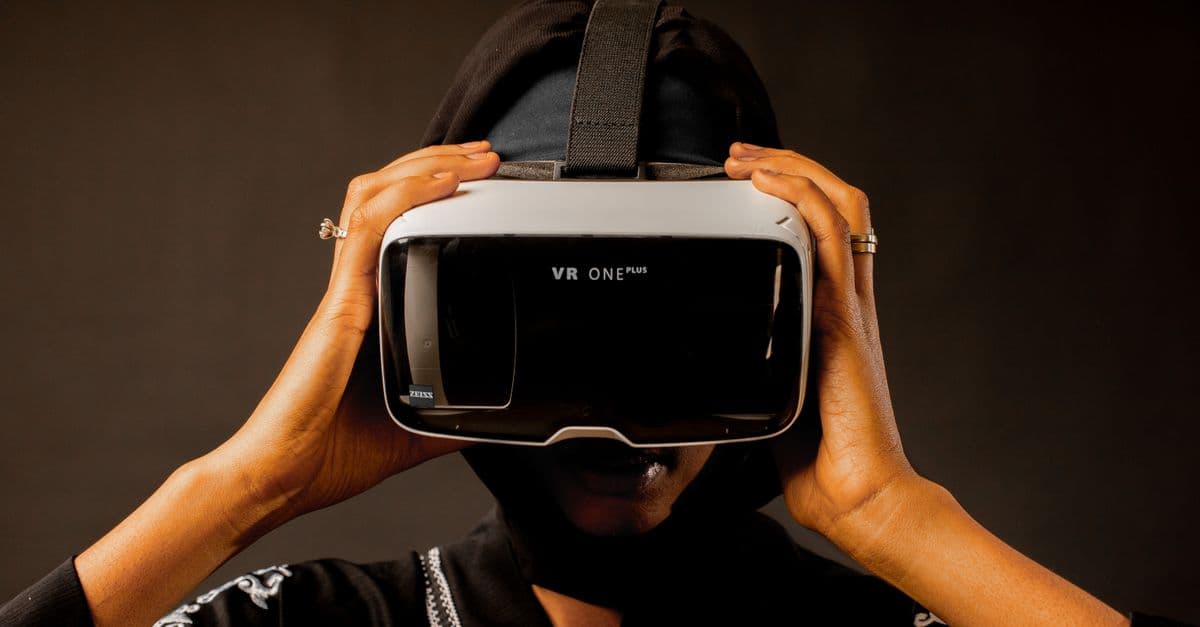
In the dynamic landscape of website development, a remarkable evolution is underway that promises to reshape online experiences as we know them. At the forefront of this digital transformation are the captivating realms of Augmented Reality (AR) and Virtual Reality (VR), two revolutionary technologies that are seamlessly merging with the fabric of web development. AR, a technology that superimposes digital elements onto the physical world, and VR, which immerses users in entirely virtual environments, have transcended their origins in gaming and entertainment to unlock new dimensions of engagement and interactivity for websites. From e-commerce development to real estate development to education and entertainment, the integration of AR and VR is reshaping the way we interact with websites. This blog embarks on a compelling journey to uncover the profound impact of integrating AR and VR into web development, unveiling a realm where websites cease to be mere digital destinations and become immersive, interactive portals that captivate, educate, and inspire users. We will explore the tangible advantages of this integration through real-world examples, substantiated by a rich tapestry of statistics and reports that underline the transformative power of AR and VR in shaping the future of web development.
Advantages of AR and VR Integration in Web Development
a) Enhanced User Engagement:
AR and VR create a deeper connection between users and websites by immersing them in captivating environments. This heightened engagement translates to longer time spent on the website, reduced bounce rates, and increased user interactions.
b) Interactive Product Visualization:
Businesses, particularly those in e-commerce development, can leverage AR and VR to offer customers a more interactive and realistic product visualization experience. Users can virtually try on clothes, test furniture in their living rooms, or see how makeup products look on their skin - all from the comfort of their web browser.
According to a study published by AIMultiple, 71% of consumers say they would shop more if they used AR on the website.
c) Realistic Virtual Tours:
AR and VR can transform the real estate industry by allowing potential buyers to take virtual tours of properties. This technology enables customers to explore every corner of a house or apartment, helping them make more informed decisions without the need for physical visits.
According to a report published by National Association of Realtors, 58% of the buyers found virtual tours useful in getting the idea about the property and going through with the purchase.
d) Immersive Training and Education:
Educational institutions and corporate training programs can use AR and VR to create immersive learning experiences. Medical students can practice surgeries in virtual environments, and employees can undergo realistic simulations to enhance their skills.
As per a study by PwC in 2020, the employees who were given trainign using VR where found about 275% confident on applying the concept that they were taught.
e) Engaging Gaming and Entertainment:
By seamlessly merging digital elements with the real world, AR and VR offer players immersive gameplay experiences that transcend traditional boundaries. Users can embark on virtual adventures, explore captivating landscapes, and interact with virtual characters, all from the comfort of their browsers. Furthermore, VR transports users into a fully immersive environment, enabling them to attend virtual concerts and events without the need to leave their homes.
As per the Grand Review Research, the global virtual reality in gaming market size was valued at USD 11.56 billion in 2019 and is expected to grow at a compound annual growth rate (CAGR) of 30.2% from 2020 to 2027.
Use Cases Demonstrating AR and VR Integration
IKEA Place App:
IKEA's AR app allows users to virtually place furniture in their own space using their smartphone cameras. This interactive experience helps customers visualize how different pieces of furniture fit into their homes before making a purchase.
[Source](https://matterport.com/)
Matterport:
Matterport offers a platform that transforms real-world spaces into immersive 3D models. These models can be integrated into websites, offering virtual tours for real estate listings or event venues.
[Source](https://www.lowesinnovationlabs.com/projects/holoroom-how-to)
Lowe's Holoroom:
2017, home improvement retailer Lowe's developed the Holoroom, a VR experience where users can design their kitchens and bathrooms. This technology enables customers to see how different products will look in their spaces before making renovation decisions.
[Source](https://artsandculture.google.com/project/virtual-tours)
Google Arts & Culture VR:
Google Arts & Culture offers virtual reality tours of famous museums and historical landmarks. Users can explore art collections and historical sites from around the world without leaving their homes.
Conclusion:
Integrating Augmented Reality and Virtual Reality into web development opens up a world of possibilities for enhancing user engagement, interaction, and experiences. Businesses across various industries can leverage these technologies to offer unique and captivating online experiences that keep users coming back. As web development continues to evolve, embracing these immersive technologies could be the key to staying competitive in the digital age.
Incorporating AR and VR into your website development strategy requires expertise and knowledge. If you're looking for skilled professionals to assist you, consider reaching out to one of the top website development companies who can guide you through the process of integrating these technologies seamlessly into your web projects. One might also require a good server side development team preferrabley Node.js consultants who can handle the serverside engagement which is crucial in AR and VR implementation. Whether you're embarking on a new website development journey or seeking to enhance your existing online platform, the fusion of AR and VR could be the game-changer you've been waiting for.