



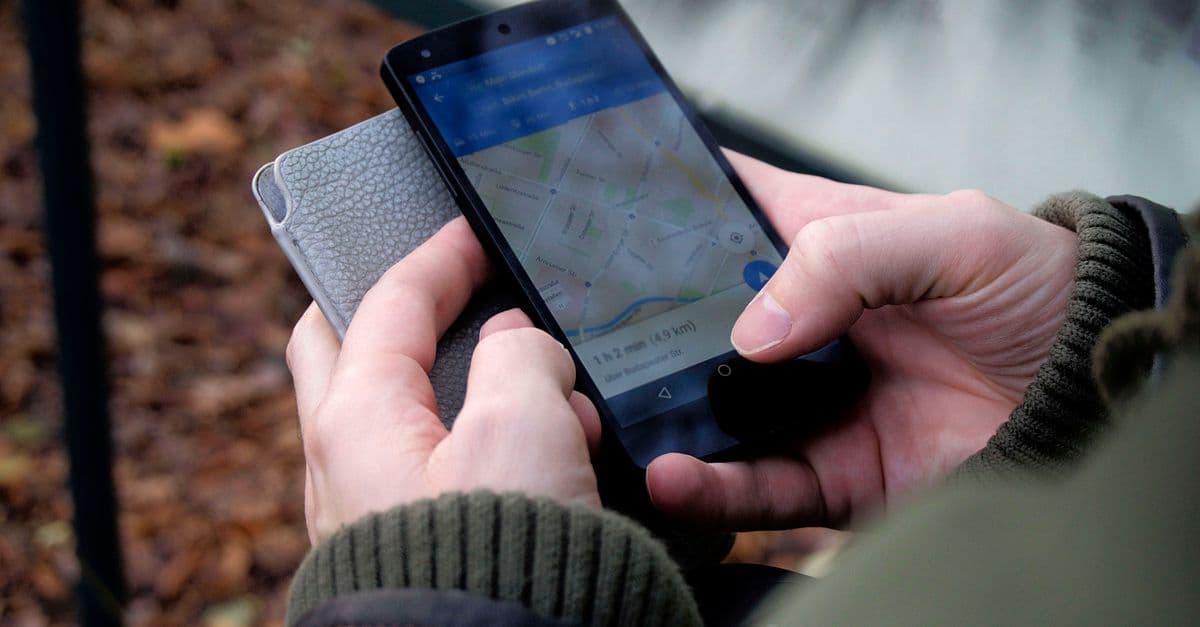
In the dynamic realm of custom mobile app development, geolocation apps have emerged as a game-changer, revolutionizing user experiences through personalized and contextually tailored features. At the core of these transformative applications lie geolocation technology and its ability to provide real-time location data. In this blog, we will delve into the significance of geolocation apps in mobile app development and explore how they enhance user experiences. By leveraging the power of geolocation, developers can create location-based apps that resonate with users and deliver unmatched value.
1. Geolocation Apps Redefining Mobile App Development
Geolocation apps have reshaped the landscape of mobile app development by utilizing cutting-edge technology to determine users' precise geographic locations. By tapping into GPS, Wi-Fi, and cellular networks, these apps gain access to real-time location data. This treasure trove of information empowers developers to craft applications that deliver personalized content, services, and recommendations, creating immersive experiences tailored to each user.
2. Personalization: A Key Driver of User Engagement
The hallmark of geolocation apps lies in their ability to offer personalized experiences to users based on their location history. As users navigate through different places, the app collects valuable data about their preferences and interests. Armed with this knowledge, the app can offer personalized suggestions, such as nearby attractions, events, or stores that align with the user's tastes. This personal touch enhances user engagement, fosters loyalty, and ensures the app remains an indispensable part of their daily lives.
3. Real-Time Navigation: Guiding Users Seamlessly
Navigation apps have revolutionized the way we navigate the world around us. Geolocation technology powers these apps, offering real-time, accurate directions to users as they travel from one location to another. Integrating real-time traffic data allows users to avoid congested routes, optimizing their journey and saving valuable time. The convenience and precision of real-time navigation have made location-based apps indispensable tools for travelers and daily commuters alike.
4. Geofencing: Enhancing Targeted Marketing
Geofencing is a powerful feature that enables developers to set virtual boundaries around specific locations. When a user enters or exits these predefined regions, the app can trigger customized notifications, offers, or promotions. For businesses, geofencing presents an opportunity for hyper-targeted marketing. Retailers, for instance, can use geofencing to send exclusive discounts to potential customers who are in close proximity to their stores, enticing them to make a purchase.
5. Application of Geolocation apps to various industries:
Geolocation apps have witnessed widespread adoption across various industries, bringing transformative benefits.
In construction app development, they streamline site planning and equipment tracking. They enable construction companies to streamline site planning by providing real-time location data. Project managers can track the location of construction equipment and vehicles, ensuring optimal utilization and preventing theft. Geolocation apps also facilitate better communication among team members, enabling seamless coordination on the construction site.
In healthcare app development, leverages them for patient care and ambulance routing. Geolocation apps play a crucial role in healthcare by improving patient care and optimizing medical services. In healthcare app development, geolocation technology allows for efficient ambulance routing based on real-time traffic data.
In EV charging app development, optimize charging station locations, making electric vehicle usage more convenient. Geolocation apps have been instrumental in the development of EV charging infrastructure. These apps enable EV charging station providers to identify optimal locations based on user data, traffic patterns, and charging demands.
Conclusion:
In conclusion, geolocation technology has paved the way for the rise of location-based apps, transforming user experiences in the world of mobile app development. The ability to offer personalized recommendations, real-time navigation, and targeted marketing makes geolocation an essential component for developers seeking to create engaging and user-centric apps. By harnessing the power of geolocation, developers can craft applications that resonate with users on a personal level, resulting in increased app engagement and customer satisfaction. As geolocation technology continues to evolve, the impact of location-based apps on the market is set to grow exponentially, driving innovation and improving user experiences across various industries.