



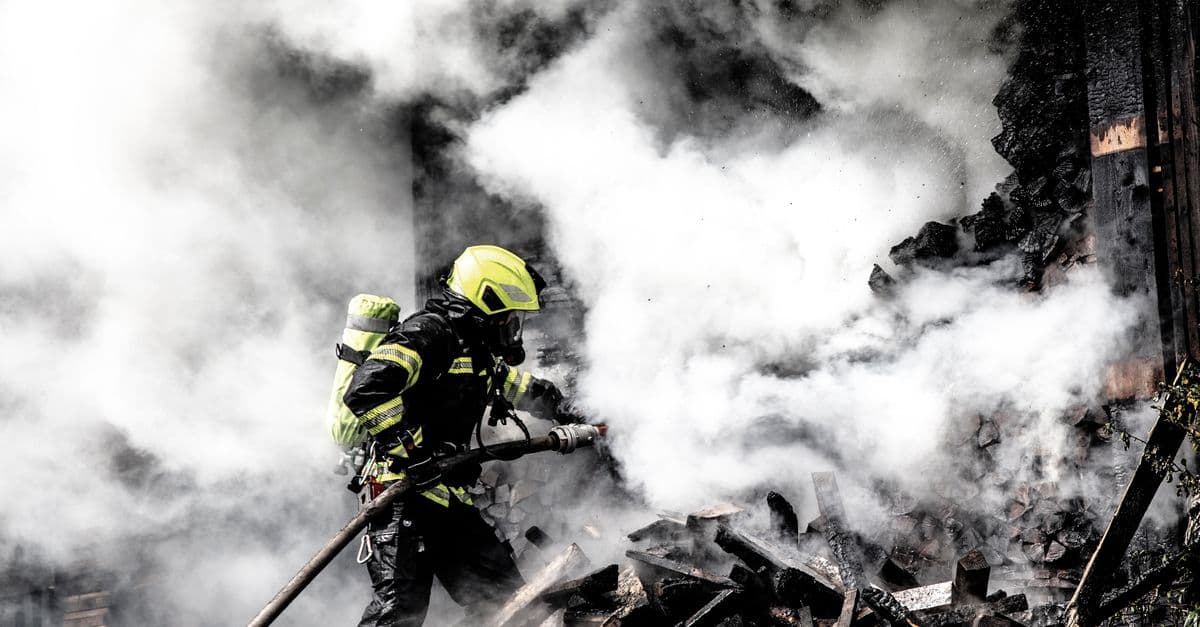
Every business has a version of it. The same problem flares up, roughly on schedule, and someone capable drops whatever they were doing to put it out. They are quick, they are good at it, the fire goes out, and everyone moves on. Then, a week or a month later, it happens again, and the same person puts it out again. The team is genuinely heroic at firefighting. It just never seems to have time to stop the fires from starting.
This is one of the most expensive patterns in operations, and one of the hardest to escape, because of a quiet cruelty at the centre of it. The recurring problem consumes exactly the time you would need to fix its cause. The reason you are too busy to prevent the fire is that you are always putting out the fire. It is a trap that feeds itself, and no amount of getting better at firefighting will ever get you out of it. It just makes you a more efficient prisoner.
Why the fire always wins
The reason teams stay stuck is not stupidity or laziness. It is that firefighting and prevention are treated completely differently, even though prevention is worth far more. A fire is urgent, visible, and loud. When someone puts one out, everybody sees it, and they are thanked for it. Prevention is the opposite. It is never urgent until the moment it becomes a fire, it is invisible when it works, and nobody ever gets praised for the incident that quietly did not happen.
So the incentives, without anyone deciding this on purpose, come to reward heroics over root-cause work. The person who dramatically saves the day is celebrated; the person who quietly made sure the day never needed saving goes unnoticed. Layer on top of that the simple fact that there is no slack in the system, because the recurring problems have eaten it, and you have a machine that is perfectly designed to keep firefighting forever.
What it actually costs
The visible cost is the time spent fighting each fire, but that is the smallest part. The bigger cost is who does the firefighting. It tends to be your most capable people, because they are the ones who can be trusted to fix things fast under pressure, which means your best people are spending a large share of their capacity on repeat incidents instead of on work that would move the business forward.
Underneath that sits a deeper cost. A business stuck firefighting is permanently at the mercy of whatever breaks next; it cannot plan, because its best people are always one incident away from being pulled off whatever they were meant to be doing. And it grinds people down. Being the hero is thrilling once or twice, but a job that is nothing but recurring emergencies burns people out, and the ones who leave first are usually the capable ones you were relying on to fight the fires. The pattern does not just waste time. It slowly consumes the very capacity that could end it.
How to break the cycle
Breaking out does not require a dramatic reorganisation. It requires deciding, on purpose, to do the one thing the trap is designed to prevent: reserve a little capacity for fixing causes, and defend it. The first move is to ring-fence a small, consistent slice of time for root-cause work, and to protect it from the pull of the urgent, because if it is the first thing sacrificed to the next fire, it will always be sacrificed.
The second move is to treat recurring incidents as data rather than noise. Most firefighting is never counted, so nobody realises that the same three problems account for most of the chaos. Simply logging what flares up, and how often, makes the worst offenders obvious and easy to prioritise. Then you spend your ring-fenced time fixing the top one properly, which frees the time it was consuming, which you reinvest in fixing the next. The cycle that fed itself in the wrong direction starts feeding itself in the right one. And it helps enormously to change what you celebrate, so that the fire that never happened is recognised as the achievement it is, rather than being invisible next to the dramatic rescue.
A worked example
A team was losing roughly a day every week to a data sync that kept failing between two systems. Their fix, each time, was to notice the failure, re-run a script by hand, and repair the damage downstream. They were fast and reliable at it, and it never occurred to anyone that it could simply stop, because there was never a spare moment to look at why it kept happening.
We ring-fenced two days, protected from interruption, to fix the actual cause, a fragile integration that fell over whenever one system sent data in a slightly unexpected shape. Two days of proper work, and the weekly fire went out for good. That returned a full day a week, permanently, to a capable team that had been spending it on the same repair over and over. The fix cost less than a single month of the firefighting it replaced, and it kept paying out every week after that. The only reason it had gone unfixed for so long was that the problem itself had been eating the time needed to solve it.
Spend the time you think you do not have
Firefighting feels like the responsible thing to do, and in the moment it is. But a business that only ever fights fires is a business that never stops having them. The heroism is real; it is just being spent on the symptom instead of the cause, over and over, at enormous cumulative cost. The way out is almost paradoxical: to get time back, you have to spend a little of the time you feel you cannot spare on the causes rather than the symptoms. Do that consistently, even in small amounts, and the fires start going out for good, one by one, each one handing back the capacity to tackle the next.
If your best people are spending their weeks putting out the same fires, and you can never find the room to stop them starting, that is a fixable pattern, and fixing it usually pays for itself quickly. Our team does exactly this kind of process assessment and mapping, finding the recurring causes underneath the chaos and closing them so the time comes back. Book a discovery call and we will help you stop fighting the same fire.
Frequently asked questions
Why does my team spend so much time firefighting?
Because firefighting is urgent, visible, and rewarded, while prevention is none of those things until it is too late. The recurring problem flares up, someone drops everything to put it out, and everyone moves on without fixing the cause. So it comes back, and it keeps consuming exactly the time that would be needed to prevent it. That is the trap: the problem is self-perpetuating precisely because dealing with it leaves no slack to fix it properly.
How do you break out of a firefighting cycle?
Deliberately protect a small amount of capacity for root-cause work, ring-fenced so it cannot be eaten by the next fire, and spend it fixing the one or two problems that recur most often. Fixing those frees up the time they were consuming, which you then reinvest in fixing the next cause. Treat recurring incidents as data rather than noise, so you can see which problems are worth fixing, and change what you reward so that preventing a fire counts as much as fighting one.
Why don't recurring problems get fixed?
Because there is never any slack to fix them. The recurring problem consumes the very time that fixing it would require, so the team is always too busy handling this week's flare-up to prevent next week's. It is also because firefighting is visible and praised while prevention is invisible, so the incentives quietly favour heroics over root-cause work. The fix usually feels bigger than any single flare-up, even though it is far smaller than a year of them added up.
How much time should you spend on prevention versus reactive work?
There is no single correct ratio, but the key is that the amount reserved for prevention must be greater than zero and genuinely protected. A team that spends one hundred per cent of its time reacting will react forever. Ring-fencing even a small, consistent slice of capacity for root-cause work, and defending it against the pull of the urgent, is usually enough to start clearing the recurring problems one by one and steadily buying back more time.