



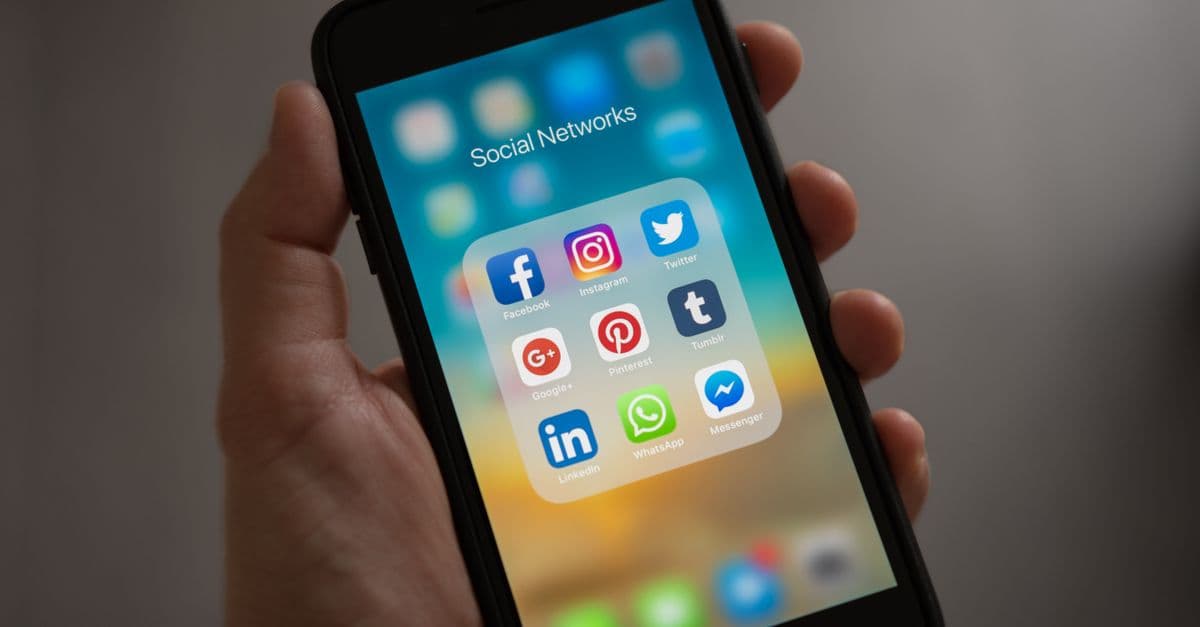
In the modern era, eCommerce has become an integral part of our daily lives, reshaping the way we shop and conduct business. However, it wasn't always smooth sailing for this digital industry. In this blog, backed by research data, we explore the challenges faced by early eCommerce ventures and the transformative role played by social media giants - Facebook and Instagram - in propelling eCommerce to new heights. With the power of targeted advertising, personalized engagement, and seamless ecommerce mobile app development, these platforms have redefined the eCommerce landscape, creating a dynamic and user-friendly shopping experience.
The Challenges of Early eCommerce:
In its nascent stages, eCommerce encountered significant obstacles that hindered its growth and acceptance:
1. Limited Reach and Engagement:
According to a study by Pew Research Center, only 52% of American adults had internet access in the year 2000, limiting the potential reach of eCommerce platforms. Engaging with the audience was often a one-way communication, hindering the establishment of meaningful relationships.
2. Impersonal Shopping Experience:
Early eCommerce platforms struggled to deliver personalized shopping experiences. A survey conducted by Epsilon found that 80% of consumers were more likely to make a purchase from a brand that offered personalized experiences. However, without the right technology and data, early eCommerce struggled to meet this demand.
3. Security Concerns and Trust Issues:
Customers were hesitant to share their financial information online due to security concerns. In a study by Baymard Institute, 18% of respondents cited security concerns as the primary reason for cart abandonment during the checkout process.
4. Limited Internet Accessibility:
According to Internet World Stats, internet penetration in the year 2000 was only 5.8% worldwide, limiting the customer base for eCommerce businesses and hindering the growth of the industry.
The Emergence of Social Media : Facebook and Instagram
Facebook and Instagram emerged as social media giants, transforming the eCommerce landscape in various ways:
1. Enhanced Reach and Targeted Advertising:
With billions of active users, Facebook and Instagram offered an unparalleled reach for businesses. According to Hootsuite, as of 2021, Facebook has over 2.8 billion monthly active users, while Instagram boasts over 1.2 billion monthly active users. Their advanced advertising tools allowed businesses to target specific demographics and interests, ensuring that their ads reached the most relevant audience.
2. Personalization and Customer Engagement:
Facebook and Instagram encouraged two-way communication between businesses and their customers. According to a study by Sprout Social, 89% of consumers said that businesses should respond to social media messages within 24 hours. Brands could now respond to queries, gather feedback, and engage with users directly, fostering a sense of trust and loyalty.
3. Influencer Marketing and Social Proof:
Facebook and Instagram popularized influencer marketing, enabling businesses to collaborate with influencers to promote their products to their vast follower base. According to a survey by Mediakix, 89% of marketers found influencer marketing to be effective in achieving their goals. Influencers' endorsements carry significant weight and influence consumer purchasing decisions, creating a new realm of social proof that bolsters eCommerce brands' credibility.
4. Seamless Mobile Shopping Experience:
With the introduction of Facebook Shops and Instagram Shopping, these platforms integrated eCommerce directly into their ecosystem. According to Statista, mobile commerce accounted for 72.9% of global eCommerce sales in 2021. Businesses can now set up online stores directly on their Facebook and Instagram pages, allowing customers to browse and make purchases without leaving the app.
Conclusion:
The rise of Facebook and Instagram as dominant social media platforms has undeniably revolutionized the eCommerce industry. We can see how these platforms have provided businesses with powerful tools to reach, engage, and build trust with their customers. Leveraging the potential of targeted advertising, personalized engagement, influencer marketing, and mobile shopping integration is essential for businesses looking to thrive in the competitive eCommerce landscape. As social media continues to shape consumer behavior, embracing the power of Facebook and Instagram will undoubtedly be the key to unlocking eCommerce success in the digital age.