
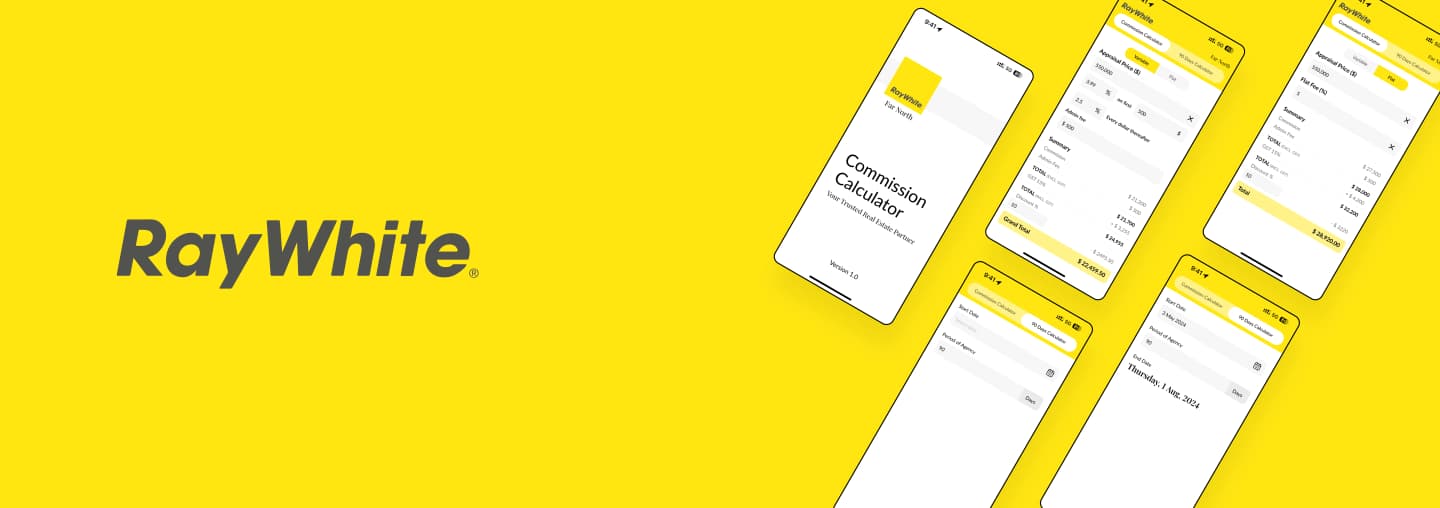



Mobile app development has changed significantly in the past few years. If you're planning to develop a mobile app in 2024, here’s a comprehensive guide to help you budget effectively, taking into account the latest trends and costs.
- Understand Your App's Requirements
Start by understanding what your app will do and who will use it. This means clearly defining the app’s purpose, its target audience, and the features you want to include. Today’s apps often integrate advanced technologies such as Artificial Intelligence (AI), Machine Learning (ML), and real-time data processing. These features enhance the app's functionality and user experience, but they also add to the overall cost.
To estimate your budget accurately, outline the features you want and consider how complex they are. For instance, incorporating AI or real-time data features will require more development time and resources, which will increase your costs.
- Consider the Development Team's Location
Development costs can vary greatly depending on the geographical location of your development team. Hiring a team in North America or Western Europe will generally be more expensive than in Eastern Europe, India, or Southeast Asia. For instance, the hourly rate for developers can range from $50 to $150 in North America, while in regions like India, it can be between $20 and $50.
When choosing a development team, consider not only the cost but also the expertise and experience required for your app’s needs. If you choose a team who doesn’t have the experience of working on a FinTech App for example, then the learning curve would be more for the industry and this will eventually lead to longer development time. So, along with location the industry experience is also an aspect to factor in.
- Choose the Right Development Model
There are several models to choose from, including:
- In-House Development: This involves hiring your own team who works directly with you. It provides greater control and direct communication but is generally more expensive. It’s suitable for projects where you need a high level of oversight and involvement. While on the downside, this invites on-going monthly costs in the form of salaries and incentives to the hired team.
- Outsourcing: This model involves hiring an offshore mobile app development company. It is often more cost-effective and provides access to a global talent pool. However, it can come with challenges such as communication barriers and time zone differences. On the bright side, this model guarantees the costs decreased to at least 5x compared to the in-house development approach.
- Hybrid Approach: This combines in-house and outsourced resources. It can offer a balanced approach, giving you some control while also benefiting from cost-effective external expertise. Here you can have the project coordinators and managers at your end who can just monitor the execution while the development team resides offshore.
- Break Down the Costs by Phases
Understanding the costs associated with each phase of development is crucial for accurate budgeting:
- Planning and Research: This phase involves defining your app’s features, conducting market research, and creating a project plan. It sets the foundation for the project and helps in understanding the scope and requirements. Typically, a mobile app development company doesn’t charge anything for this until it’s a brief requirement discussion.
- Design: The design phase includes creating the user interface (UI) and user experience (UX) of the app. A well-designed app ensures a user-friendly experience and can range in cost from $5,000 to $8,000, depending on the complexity and detail required.
- Development: This is typically the largest expense. The cost can vary widely based on the app’s complexity. The features agreed in the planning phase affect these costs directly. A simple app like checklist utility app can cost somewhere around 3,000 USD compared to a FinTech app development which can reach about 100,000 USD.
- Testing and Quality Assurance (QA): Testing ensures that the app is free of bugs and works as intended. It involves various forms of testing, such as functionality, usability, and performance testing. This phase usually adds 5-10% to the total development cost.
- Deployment and Maintenance: After development, the app needs to be launched and maintained. Deployment includes releasing the app on app stores, while maintenance covers ongoing updates and improvements. It’s recommended to budget 5-8% of the initial development cost annually for these activities.
- Leverage Modern Technologies
Using modern frameworks and technologies can help manage costs effectively:
- Cross-Platform Development: Frameworks like Flutter and React Native allow you to develop a single codebase that works for both iOS and Android platforms. This approach can significantly reduce development costs compared to creating separate apps for each platform. These technologies are cementing their foot in mobile app development as compared to native apps, they require a single resource to manage both apps, hence the cost is reduced to 50% of that of Native development.
- Cloud Services: Platforms such as AWS and Google Cloud provide scalable solutions and lower initial setup costs compared to traditional server setups. Cloud services can help you manage costs by offering flexible pricing based on usage.
- Optimize Features and MVP Approach
Launching a Minimum Viable Product (MVP) means starting with a basic version of your app that includes only the essential features. This approach allows you to release the app quickly and gather user feedback early on. By focusing on core functionalities, you can test your app’s concept and make improvements based on actual user needs, saving money on unnecessary features.
- Budget for Post-Launch Expenses
Post-launch activities such as marketing, user acquisition, and continuous improvement are crucial for the success of your app. Allocate a significant portion of your budget for these activities to ensure your app reaches and retains users.
Conclusion
Planning a budget for mobile app development in 2024 requires a clear understanding of your app’s needs, selecting the appropriate development model, breaking down costs into phases, using modern technologies, and preparing for ongoing expenses after launch. By following these steps, you can create a precise budget and enhance the likelihood of your app’s success.